
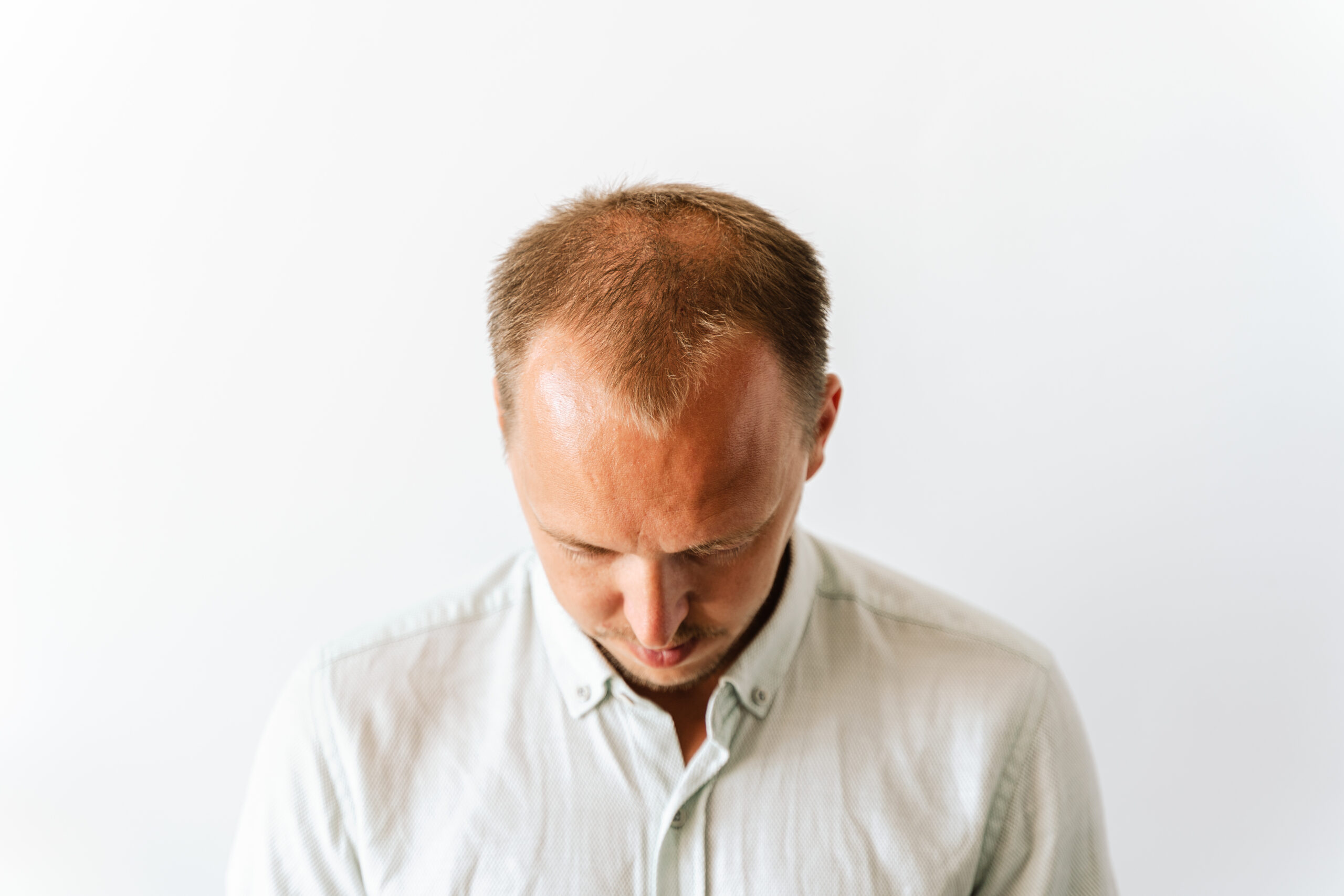
Hey, if you’re like me, you’ve probably stared at your thinning hairline in the mirror and thought, “There has to be something better than just slapping on minoxidil every day.” I’ve been down that road—tried the foams, the pills, even considered a transplant once but chickened out because, well, surgery sounds intense.
Lately, though, I’ve been digging into stem cell exosome therapy for hair restoration, and it’s fascinating stuff. It’s not some magic cure-all, but the science behind it has me intrigued. Let me break it down for you like we’re chatting over coffee, pulling from what the research actually says, warts and all.
First off, what the heck are exosomes? Think of them as tiny messengers—little bubbles that cells spit out, packed with proteins, growth factors, and bits of genetic material like miRNAs. They’re not stem cells themselves, but they’re derived from them, often from mesenchymal stem cells (those versatile ones from fat tissue or bone marrow).
In hair restoration, these exosomes get injected or applied to your scalp, where they supposedly wake up dormant follicles and kickstart growth. It’s like sending a care package to your hair roots, full of signals that say, “Hey, get growing!”
How does it work exactly? From what studies show, exosomes target the hair follicle cycle. Hair goes through phases: anagen (growth), catagen (transition), and telogen (rest). Hair loss happens when too many follicles hang out in telogen or shrink over time, like in androgenetic alopecia—that common pattern baldness.
Exosomes seem to flip the switch back to anagen by activating pathways like Wnt/β-catenin, which is basically the boss signal for cell proliferation in follicles. They also boost blood flow, reduce inflammation, and even protect against DHT, the hormone that shrinks follicles in guys (and some women).
Take dermal papilla cells, for example—those are the command centers at the base of each follicle. Exosomes from adipose-derived stem cells (ADSCs) have been shown in lab tests to make these cells multiply and migrate better, pumping out more growth factors like HGF and KGF. In mouse models, injecting these exosomes sped up hair regrowth, sometimes as good as or better than minoxidil. One study even mixed them with a microneedle patch for better delivery, and the mice got nearly full hair coverage in weeks. Cool, right? But mice aren’t humans, so let’s not get ahead.
On the human side, the data’s promising but thin. A review of clinical studies looked at nine trials with 125 people getting exosome treatments for hair loss. Most saw boosts in hair density and thickness— one retrospective study in Korea had 39 patients using ADSC exosomes topically for 12 weeks, and hair counts went up significantly. Another with bone marrow-derived ones showed over half the women and most men reporting better growth after six months. There’s even a case where it helped with chemo-induced alopecia. Sessions are usually injections or microneedling combos, done every few months.
Compared to PRP (that blood-spin treatment), exosomes might pack more punch because they’re loaded with concentrated factors without the variability of your own platelets. Some clinics claim exosomes lead to thicker, healthier hair faster, but honestly, it’s not apples-to-apples yet—PRP’s been around longer and has more backing.
Now, the not-so-fun part: safety and downsides. Side effects seem mild—redness, slight pain at the injection site, maybe some swelling that fades quick. But here’s where I pause: This isn’t FDA-approved for hair loss. The FDA put out a consumer alert years ago about regenerative therapies, including exosomes, because some products caused infections or worse when not handled right.
No approved exosome products exist, so clinics offering it off-label or experimentally. Clinical trials are small, often retrospective, not the big, randomized ones we’d trust for heart drugs. Long-term? We don’t know if results last or if there are risks like immune reactions. Plus, it’s pricey—thousands per session—and insurance probably won’t touch it.
I’ve got some personal hesitation here. It feels like the Wild West sometimes, with clinics touting it as revolutionary, but the science says we’re still figuring out best sources (adipose vs. bone marrow?), doses, and delivery. One study used exosomes from cow’s milk and got results in mice—imagine telling your barber you’re using dairy for your dome. Funny, but is it scalable for humans? And ethically, sourcing from placentas or foreskin? Kinda weird, but if it works…
If you’re thinking about it, check out ongoing trials on [ClinicalTrials.gov](https://clinicaltrials.gov/)—there’s one testing exosomes for preventing hair loss. For solid reads, hit up PubMed for reviews like [this one on exosomes in hair loss] or the NIH’s PMC on [exosomes’ roles in follicle growth] And talk to a doc—maybe start with proven stuff before jumping in.
Bottom line? Stem cell exosome therapy for hair restoration has legs, backed by biology and early evidence. It could be a game for folks tired of old treatments. But it’s not there yet—more research needed to separate hope from hype. If you’ve got questions or tried it, I’d love to hear. Me? I’m keeping an eye on it, but sticking to my routine for now. What about you?